
West Tampa's Cafeteria Line Still Holds
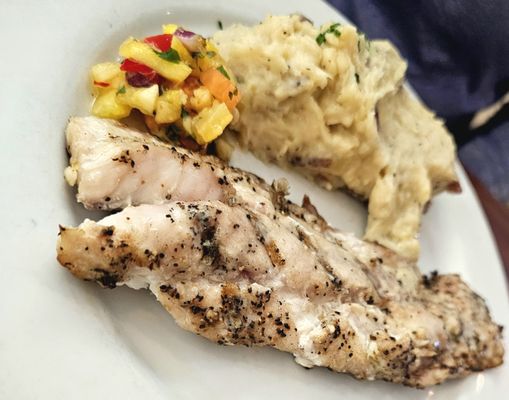
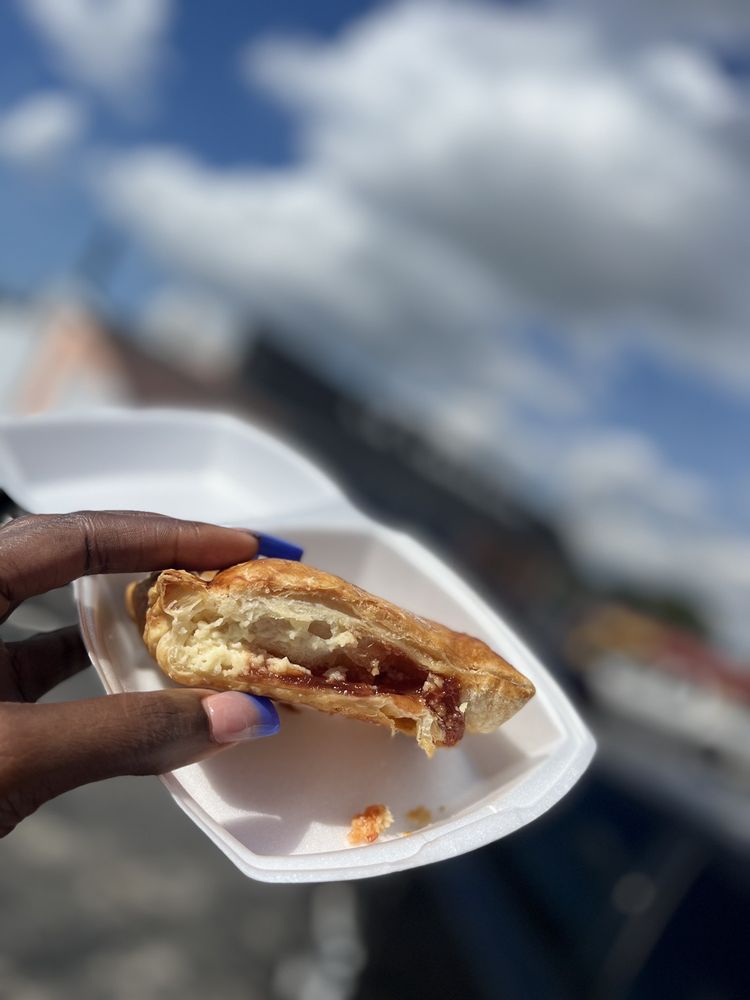
La Teresita runs on the cafeteria model that built West Tampa: a steam line, a fast counter, and a menu that covers Cuban standards alongside plates that have nothing to do with Havana at all. The burger and the meatloaf sit on the same board as ropa vieja and picadillo, and that is not a contradiction here. It is what a working-class lunch counter has always done in this neighborhood, feeding cigar-factory descendants and their kids who grew up wanting a burger on Tuesday and boliche on Thursday. The apple pie closes the meal the way a diner pie would, not a Cuban bakery pastelito, and that split identity is the room's real character. Prices stay low enough that a family can eat there on a weekday without planning for it, and the turnover is fast.
The line moves even when the room fills, which matters on Sunday afternoons when it becomes a staging point before Buccaneers games, plates cleared and tables turned before kickoff. Service is inconsistent on the sales floor. Some counter staff communicate clearly and move with purpose; others speak too quietly for a room with this much ambient noise, which has cost the kitchen credit it otherwise earns. The Cuban sandwich carries real weight in this city, born blocks away in Ybor City with Genoa salami as the local signature, and a plate that fails to deliver on it draws sharper criticism here than it would anywhere else in the country. That is the tax of operating a Cuban name in the city that invented the mixto.
West Tampa is not a tourist corridor, and La Teresita does not dress itself for one. It is a lunch counter for people on lunch break, retirees who have eaten there for years, and families who want a moderately priced plate without ceremony. The room is built for volume and repetition, not for a special occasion, and it succeeds most when judged on those terms rather than as a showcase kitchen.