Fishing Fort De Soto’s Gulf Pier, and where to eat after
Thirty-eight miles from downtown at the mouth of the bay, Fort De Soto's two piers came back in January 2025 after Helene and Milton took them out. Spanish mackerel by the dozens in spring and fall, snook and reds on the back flats, $6 to park, and a licence that is free for residents from shore. A guest guide from Smells Like Fish, ending at three Gulfport tables on the road home.
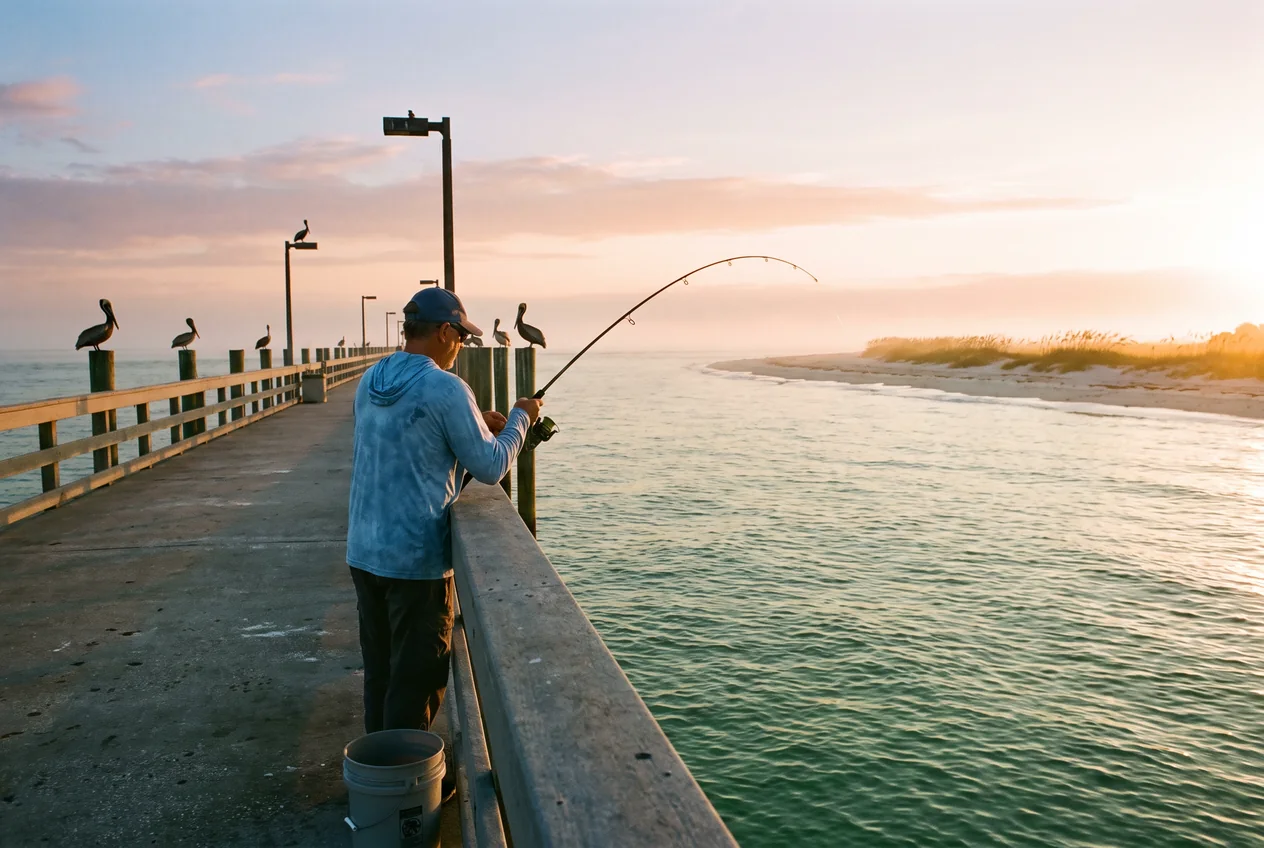
Thirty-eight miles from downtown, at the very mouth of Tampa Bay, Fort De Soto is Pinellas County’s park on five keys, and it has the two best public piers left on the bay. The Gulf Pier runs over 1,000 feet toward Egmont Key; the Bay Pier is 500 feet on the sheltered side. Hurricanes Helene and Milton closed both in September 2024, and the county reopened “the historic fort, dog beach and both fishing piers” on January 6, 2025. Spanish mackerel come through “by the dozens” in spring and fall, and the back side of the park is wading water for trout, snook, and redfish. This is the fishing half of a day at the end of the Pinellas Bayway. The eating half is at the end, on the Gulfport waterfront, on the road home.
I write the guides on Smells Like Fish, a bait and tackle site, and I am a guest here. Top of Tampa asked for the water. They supplied the tables.
The day, in order
Leave downtown before light, take I-275 south over the Howard Frankland, and follow the Pinellas Bayway toll road out to the park. Be on the Gulf Pier at sunrise with a spoon or a Gotcha plug tied on if it is spring or fall, because the mackerel bite is a first-light bite, and a live shrimp on a second rod for whatever is under the pier. When the sun gets high, drive around to the back side and wade the seagrass on the bay for trout in the potholes and a redfish on the edges. Lunch is 20 minutes back up the road in Gulfport. If you want an afternoon, the Skyway north pier is on the way back to I-275 and is open 24 hours with a bait shop, $4 a car and $4 a person with the licence included. Dinner is back on Gulfport’s Shore Boulevard.
What is in the water
Spanish mackerel in the spring and fall runs, 12 inches at the fork and 15 a day. Snook on the pilings and the flats, and the Gulf rule is strict: a 28-to-33-inch slot, one a day, hook and line only, a $10 snook permit, and a season closed December 1 through February and May 1 through August 31, so harvest is March, April, and September through November. Redfish under the Tampa Bay region rule: 18 to 27 inches, one per person, two per vessel, year-round. Spotted seatrout under the regional rules that took effect April 1, 2026: three a day in a 15-to-19-inch slot, one over-slot fish allowed per vessel or per person from shore. Sheepshead in winter on the pilings, 12 inches and eight a day. Pompano and permit on the pier in the runs, and a tarpon rolling through the pass in summer that you will not keep.
Where to fish from shore
- Fort De Soto Gulf Pier and Bay Pier, 38 miles: both open since January 2025, $6 parking, bait shop on the Gulf Pier.
- Fort De Soto back-side flats: wade the seagrass, oyster bars, and mangroves for trout, snook, and reds with “sneakers, spinning rod, and shrimp,” in Visit Florida’s words.
- Skyway Fishing Pier State Park, north pier, 33 miles: $4 a car plus $4 a person, licence included for 24 hours, open around the clock. The south pier is closed beyond the bait shop and is being replaced.
- Picnic Island Park, Tampa, 11 miles: free concrete city piers next to MacDill, 7:30 to dark.
- Cypress Point Park, Tampa, 6 miles: free grass flats for wading, redfish and snook and trout.
- Ballast Point Park, South Tampa, 6 miles: bank and docks; the 600-foot pier is closed for hurricane restoration the city says could take three to four years.
Licences and the 2026 limits
Florida sells its licences at GoOutdoorsFlorida.com. A resident saltwater licence is $17 a year, but the state also issues a resident saltwater shoreline-only licence at no cost, “valid only from shore or structures affixed to shore, not from vessels,” which covers every pier and flat in this piece. Nonresidents pay $47 a year, $17 for three days, or $30 for seven. Under 16 and resident seniors 65 and older need no licence, and neither does anyone fishing from a pier that carries its own pier licence, which is how the Skyway’s $4 fee works. Add the $10 snook permit to keep a snook. The limits above are the Fish and Wildlife Conservation Commission’s for the Tampa Bay region; flounder is 14 inches and five with a closure October 15 to November 30, and snapper is a 10-fish aggregate in state waters.
The gear side
Which spoon the mackerel hit on the Gulf Pier, how to rig a live shrimp for a snook without losing it to the pilings, which small hook holds a fiddler crab for a sheepshead, and what a 30-pound leader is for: that is my beat, and it does not belong on a restaurant site. The full Tampa fishing guide on Smells Like Fish has the map of all 12 spots with drive times from downtown, the live bay water temperature and Hillsborough River flow, the licence and permit links, which piers the hurricanes took and when they come back, the 2026 slot limits, the catfish pond 21 miles east, and the tackle list.
Where to eat after
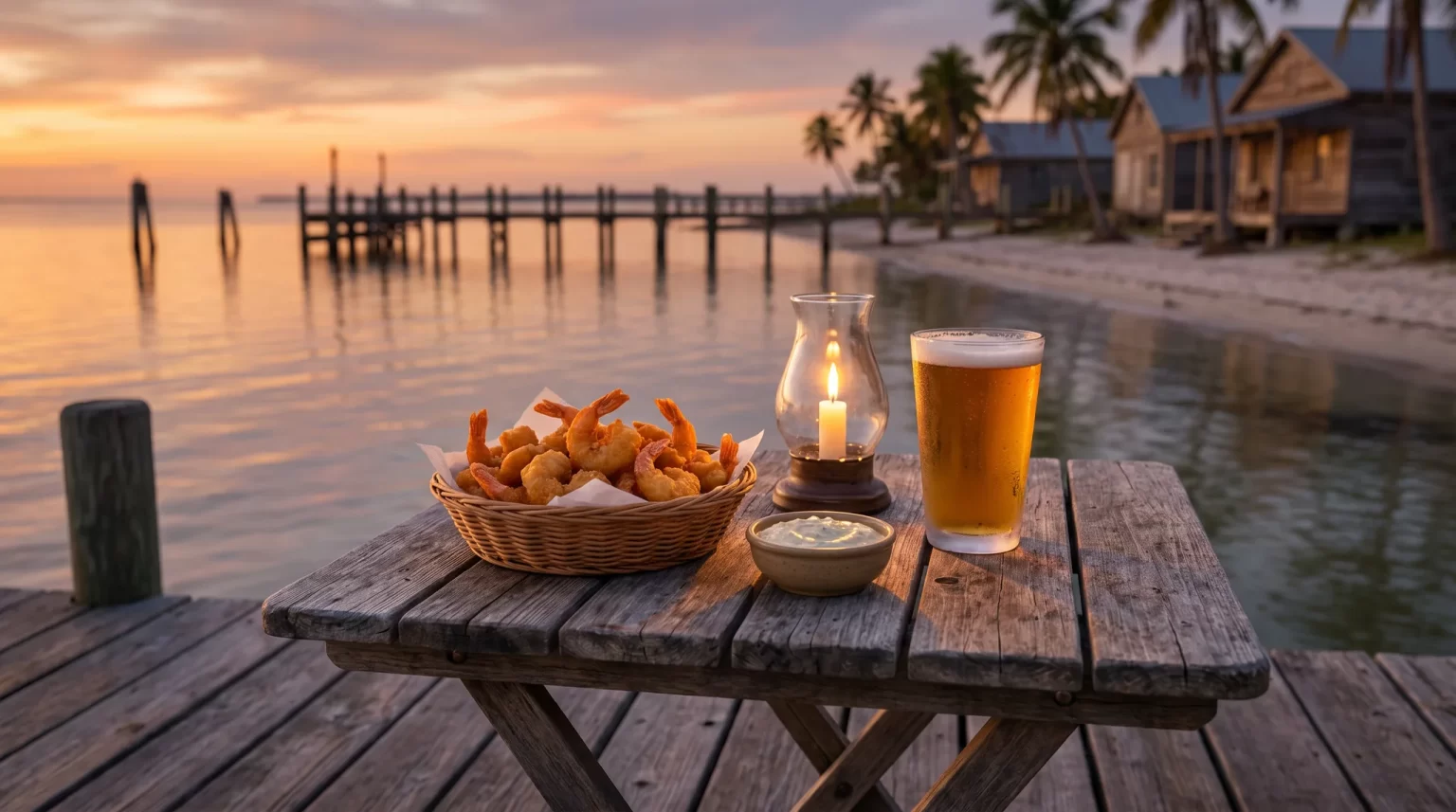
The Bayway runs back to Pasadena Avenue, and Gulfport is the first town on the bay side. These three are on the Top of Tampa Gulfport waterfront list. The picks are theirs, not mine.
Sources. Florida Fish and Wildlife Conservation Commission licence, exemption, snook, red drum, spotted seatrout, sheepshead, flounder, Spanish mackerel, and snapper pages; Pinellas County on the January 6, 2025 reopening of the Fort De Soto piers and the $6 parking fee; Visit Florida’s guide to Fort De Soto fishing; Florida State Parks and WUSF, WTSP, and Florida Politics on the Skyway pier status and the March 2026 rebuild announcement; City of Tampa on Ballast Point Park. Drive distances computed on OpenStreetMap roads from downtown Tampa.
Ray Dodson writes for Smells Like Fish. Ray is the pen name of that site's research desk: every recommendation is built from documented angler consensus, state fish and wildlife guidance, and published testing, with sources named in every article. This piece was written for Top of Tampa.